 Fettle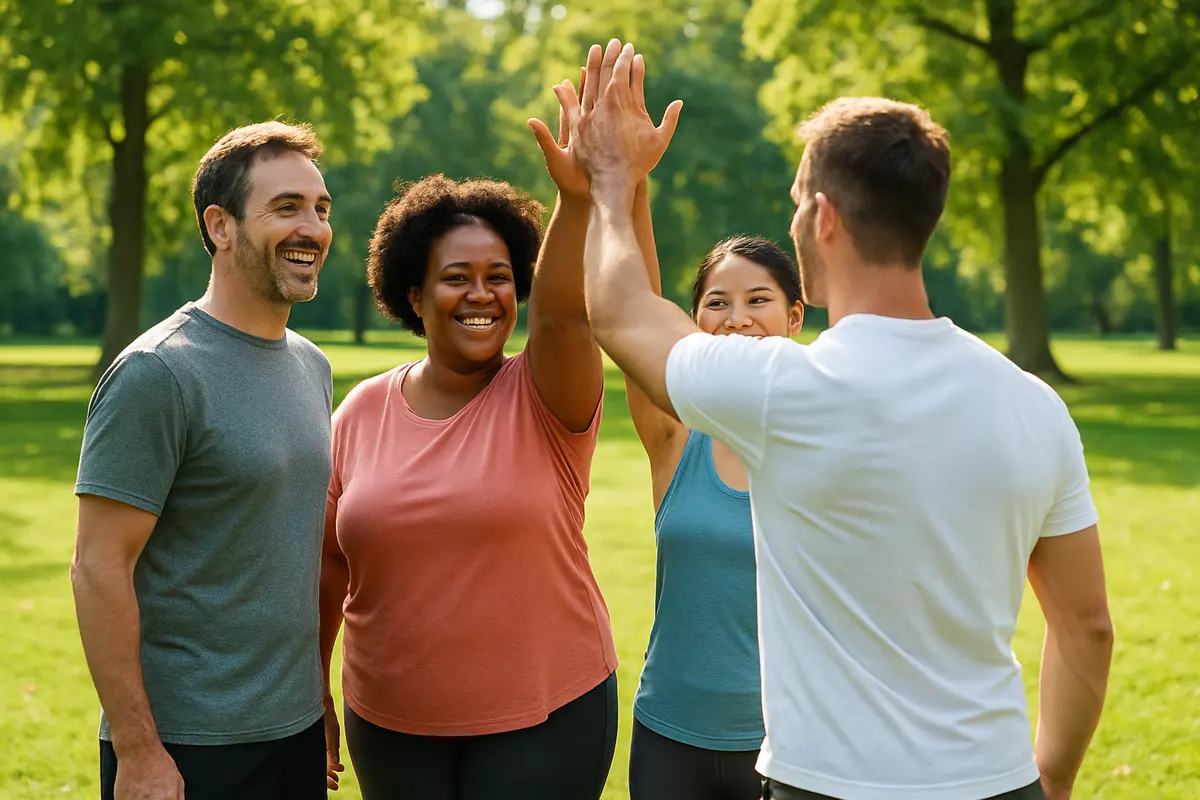
Working with a personal trainer can sometimes feel like an isolated journey. Clients train alone, track their food alone and only check in with you once a week. This isolation often leads to a drop in motivation during difficult weeks.
Creating a group environment solves this problem. A thriving community connects your clients with other people facing the same struggles. It creates a support system that exists independently of your direct coaching. This guide explains how to build a space that improves client retention and delivers better results.
Choose a central platform for your group
You need a dedicated home for your community. Do not try to host your group across multiple different apps. This confuses clients and fragments the conversation. Pick one reliable platform and make it the central hub for all group communication.
A private Facebook group is a very common choice. Most people already have an account. The platform allows you to organise topics with tags, host live videos and share files easily. However, some younger demographics are moving away from Facebook entirely.
A WhatsApp or Telegram group chat is an excellent alternative for smaller rosters. It feels highly personal and immediate. People check their messages constantly throughout the day. If you use a messaging app, make sure you turn off notifications during your sleep hours. You want to foster community, not create a 24-hour customer service desk for yourself.
Set clear rules and expectations
A community without boundaries quickly becomes chaotic. You must establish rules on the very first day. Write a clear welcome post and pin it to the top of the group. Every new client should read this document before they introduce themselves.
State the exact purpose of the group. Explain that it is a place for encouragement, sharing wins and asking general questions. Make it explicitly clear that they should not use the group for urgent medical advice or individual programme adjustments. They must contact you privately for those issues.
Set a positive tone immediately. Ban any negative talk about specific diets or body shaming. Encourage members to support each other. If a client posts a question, wait a few hours before you answer. Give other members the chance to jump in and offer advice first. This builds genuine peer-to-peer connections.
Start conversations with weekly prompts
A new group will often sit in silence if you do not lead the way. People feel shy about posting first. You need to spark conversations consistently. Create a schedule of weekly prompts to guarantee activity in the group.
Post a "Monday Motivation" thread asking everyone to declare one goal for the week. On Wednesday, ask a specific question about a common struggle. You could ask the group to share their favourite high-protein snack. On Friday, create a thread dedicated to celebrating wins.
Tag specific clients in these threads if you know they have something valuable to share. If John just cooked a great meal prep recipe, tag him and ask him to drop the details for the group. Your job is to act as a party host. Introduce people to each other and keep the conversation flowing naturally.
Celebrate small client wins
Recognition is a powerful motivator. People love having their hard work acknowledged in front of their peers. You should use your community platform to highlight your clients on a regular basis. This encourages the featured client and inspires everyone else.
Do not only celebrate massive weight loss or huge lifting numbers. Celebrate the small behavioural changes that lead to long-term success. Give a shoutout to a client who managed to train three times while travelling for work. Praise a mother who hit her daily step count despite having a sick child at home.
These relatable wins show the rest of the group that progress is possible in messy circumstances. When clients see others succeeding, they believe they can do it too. As your business scales, managing all this progress requires good systems. Fettle handles client tracking, check-ins and programmes effortlessly. You can easily pull data from the software to find great wins to share with your group.
Connect clients with similar goals
The ultimate sign of a successful community is when clients arrange things without you. You should actively look for ways to connect members who share similar interests or locations.
If you notice two clients live in Manchester and both want to improve their running, introduce them in the group. Suggest they meet up for a weekend park run. If several clients are entering the same powerlifting competition, create a small sub-chat just for them to discuss their prep.
Host a physical meetup a few times a year if your clients are mostly based in the UK. Organise a summer hike in the Peak District or a casual coffee morning. These real-world interactions cement the online relationships. Clients who feel deeply embedded in a community will stay with your coaching business for years.
Frequently asked questions
When should I start building a community?
You can start a community as soon as you have five active clients. A small, highly engaged group is much better than a large, silent one. Focus on deep interactions early on to set the culture.
How do I handle a negative client in the group?
Address negativity immediately in a private message. Explain how their comments affect the group atmosphere and remind them of the rules. If they continue to be disruptive, remove them from the group to protect the other members.
Should I charge extra for access to the community?
Most coaches include community access as a free bonus within their standard coaching package. It adds massive value to your service and improves retention, which naturally increases your long-term revenue.